Creating a home office that is both cozy and productive can transform your daily work routine. Whether you’re new to remote work or want to improve your current workspace, a few thoughtful adjustments can make a big difference. In this post, we’ll explore practical tips to help you design an environment that encourages focus while feeling comfortable and inviting.
Why a Cozy and Productive Home Office Matters
Your home office is more than just a place to work; it’s where you spend a significant portion of your day. A well-designed space can help reduce stress, increase motivation, and improve efficiency. By combining comfort with functionality, you create a balance that supports both your mental well-being and your professional goals.
Choosing the Right Location
Find a Quiet Spot
Start by selecting a spot in your home that has minimal distractions. A quiet corner or a spare room works well, especially if it’s away from high-traffic areas.
Consider Natural Light
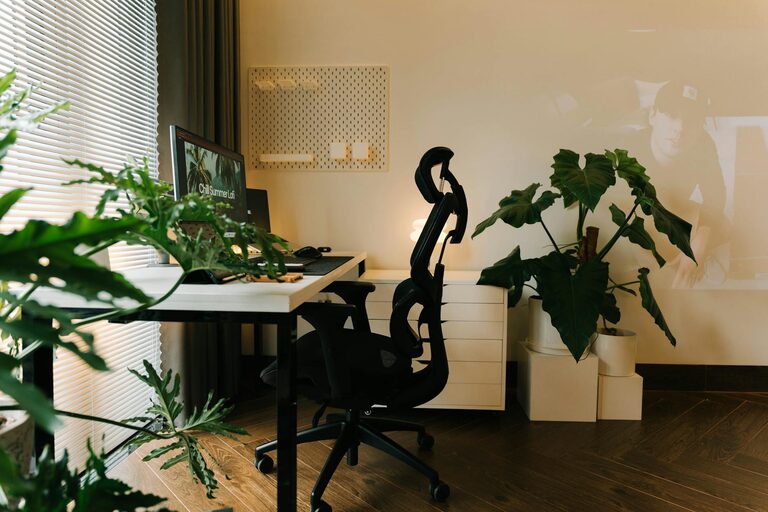
Natural light helps reduce eye strain and boosts your mood. Try to position your desk near a window and use light curtains to soften the brightness without blocking it.
Essential Furniture and Layout
Invest in a Comfortable Chair
An ergonomic chair with good back support is key to staying comfortable during long work hours. Look for adjustable options that fit your body and desk height.
Opt for a Spacious Desk
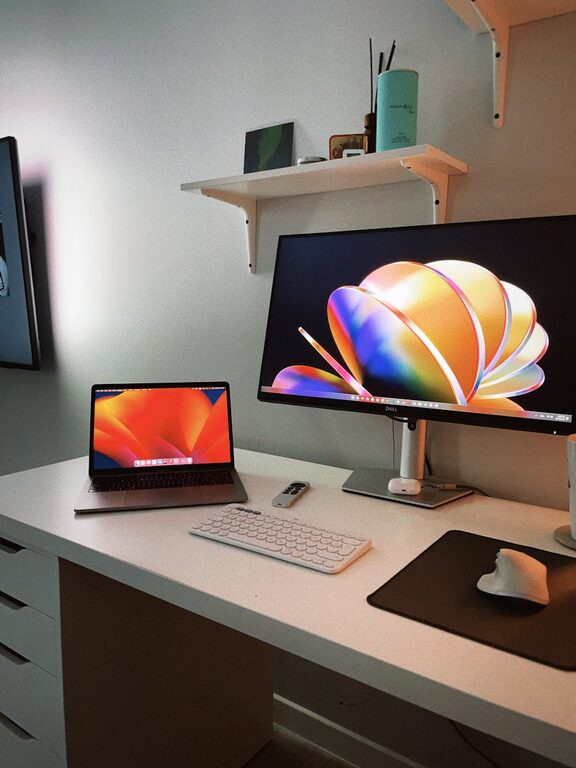
Choose a desk that fits your equipment and allows room for writing, organizing papers, or using multiple monitors. A clutter-free surface encourages clearer thinking.
Keep Your Layout Functional
Arrange your desk and chair to face the door or window if possible, as this orientation can help you feel more alert and connected to your surroundings.
Personalizing for Comfort and Inspiration
Use Calming Colors
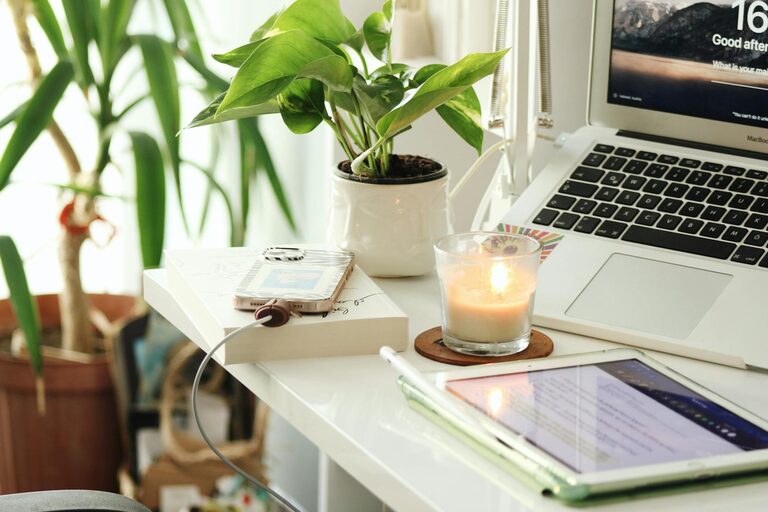
Soft, neutral tones like light blues, greens, or beige can create a relaxing atmosphere. Add pops of color with plants, artwork, or office accessories for visual interest.
Add Texture and Warmth
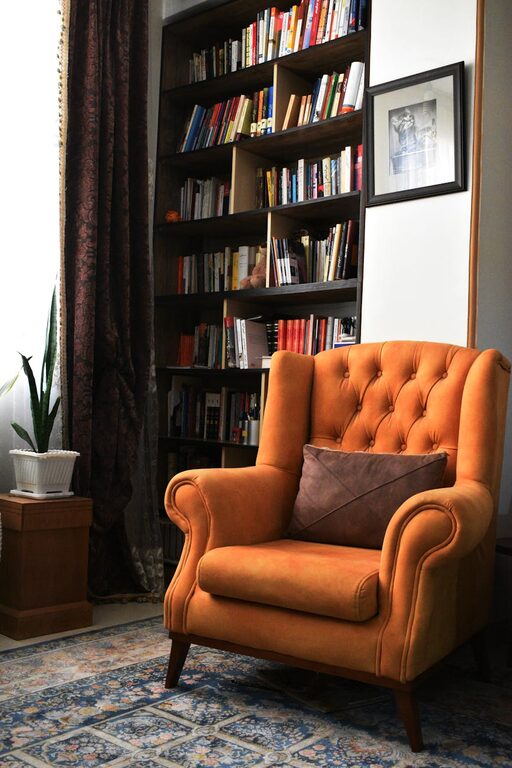
Incorporate cozy elements such as a plush rug, cushions for your chair, or a warm throw blanket. These small touches help make the space inviting.
Incorporate Personal Touches
Display a few photos, inspirational quotes, or decorative items that motivate you. Personalizing your space makes working feel less clinical and more enjoyable.
Organizing Your Workspace
Declutter Regularly
Keep only essentials on your desk to maintain focus. Use drawers or organizers to store supplies out of sight but within reach.
Use Shelving and Storage Solutions
Wall shelves and filing cabinets help organize documents and tools, keeping your workspace tidy and efficient.
Cable Management
Use clips or cable boxes to keep cords neat and prevent tangling. This small step reduces distractions and safety hazards.
Lighting Tips for Focus and Comfort
Layer Your Lighting
Combine natural light with task lighting like desk lamps and ambient lighting to reduce eye strain and create a pleasant work environment.
Choose the Right Bulbs
Use warm white or daylight bulbs depending on your preference. Daylight bulbs simulate natural light and can increase energy levels, while warm bulbs create a cozy atmosphere.
Technology Setup for Efficiency
Reliable Internet Connection
A strong internet connection helps avoid interruptions in your workflow.
Essential Tools
Equip your home office with necessary hardware such as a quality keyboard, mouse, printer, and a second monitor if needed. These tools can boost productivity and comfort.
Noise Control
Use noise-cancelling headphones or white noise machines to block distractions in noisy environments.
Establishing Boundaries
Create a Routine
Set consistent working hours and take regular breaks to maintain balance.
Define Your Space
When the workday ends, close the office door or clear your desk to mentally disconnect from work.
Maintaining Your Space
Daily Cleanup
Spend a few minutes each day tidying your workspace to keep it organized.
Refresh Periodically
Change up your décor or rearrange your furniture every few months to keep the environment stimulating.
—
By combining comfort with practical organization, lighting, and personal touches, you can create a home office that encourages both coziness and productivity. Remember, the best workspace supports your unique needs and helps you feel at ease while you work. Give these tips a try to make your home office a place you enjoy spending time in every day.