Creating a home workspace that balances comfort and efficiency is essential for anyone working remotely or pursuing personal projects. A cozy and productive workspace not only makes your workday more enjoyable but also enhances focus and creativity. Whether you have a dedicated room or just a small corner, you can transform it into a space that inspires and supports your tasks. Here are some practical tips to help you design your ideal home workspace.
Choose the Right Location
Assess Your Space Options
Start by identifying where you can set up your workspace. Ideally, pick a quiet spot with minimal distractions. A separate room is perfect, but if that’s not available, consider a nook or corner that you can dedicate to work.
Prioritize Natural Light
Natural light boosts mood and reduces eye strain. Set up near a window if possible, and make sure your seating faces or is adjacent to the source of daylight. If natural light is limited, use bright, warm artificial lighting.
Invest in Comfortable and Functional Furniture
Ergonomic Chair and Desk
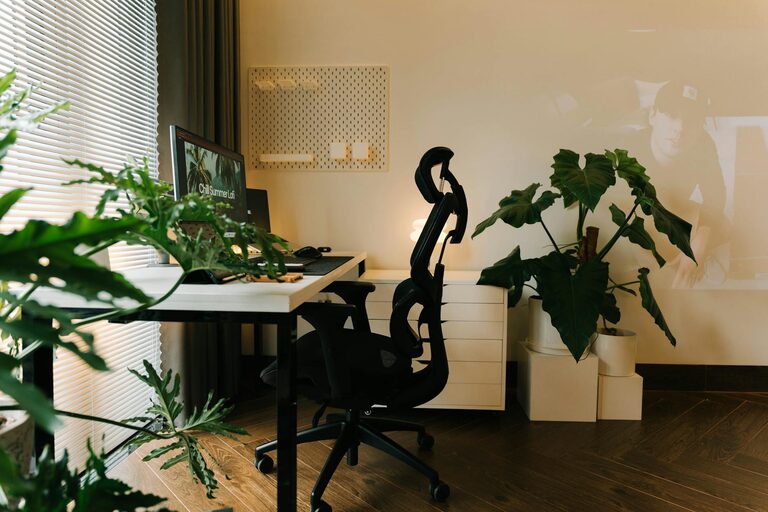
A supportive chair with adjustable height and good lumbar support is vital for long work hours. Pair it with a desk at a comfortable height to keep your posture healthy and reduce fatigue.
Consider Desk Size and Layout
Choose a desk big enough to hold your essentials without feeling cramped, but not so large it overwhelms the space. Keep frequently used items within arm’s reach to optimize efficiency.
Organize for Clarity and Focus
Declutter Regularly
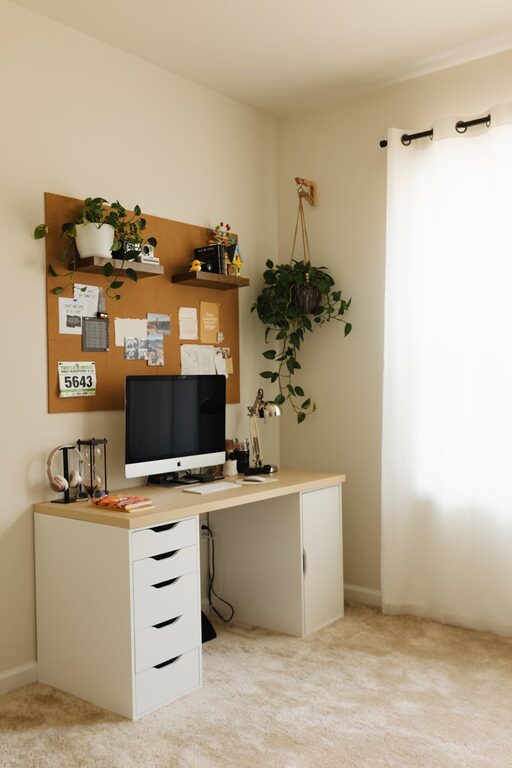
A clutter-free environment helps reduce stress and distractions. Keep only what’s necessary on your desk and store the rest in drawers or shelves.
Use Storage Solutions
Use organizers, filing cabinets, or baskets to keep papers, supplies, and electronics neatly arranged. Labeling storage containers can also save time when searching for items.
Personalize Your Workspace
Add Comfortable Textiles
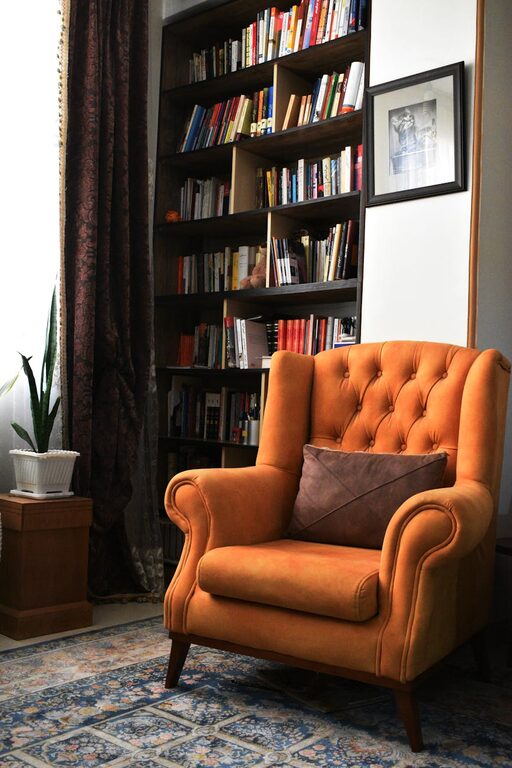
Soft cushions, a cozy throw blanket, or a small rug can make your workspace more inviting and warm.
Bring in Plants and Art
Indoor plants improve air quality and add a touch of nature, which may help reduce stress. Personal artwork or photos can make the space feel uniquely yours without causing distractions.
Optimize Lighting for Productivity
Layer Your Lighting
Combine overhead lights with desk lamps to create layered lighting. Adjustable desk lamps allow you to direct light where it’s needed most, reducing eye strain.
Use Soft, Warm Light
Choose bulbs that mimic natural daylight or provide soft, warm tones. Avoid harsh fluorescent lighting, which can be tiring over time.
Minimize Noise and Distractions
Use Noise-Canceling Headphones
If noise is a concern, noise-canceling headphones can help you maintain focus, especially in busy households or noisy environments.
Set Boundaries
Communicate your working hours to family or housemates to minimize interruptions. Use visual cues, like a closed door or “do not disturb” sign, when focus is critical.
Maintain Good Air Quality and Comfort
Ensure Proper Ventilation
Fresh air keeps your mind alert. Open windows when weather permits, or invest in an air purifier to reduce dust and allergens.
Control Temperature
Keep your workspace at a comfortable temperature. Use fans, heaters, or humidifiers as needed to maintain an environment that won’t distract you.
Incorporate Technology Wisely
Choose Reliable Equipment
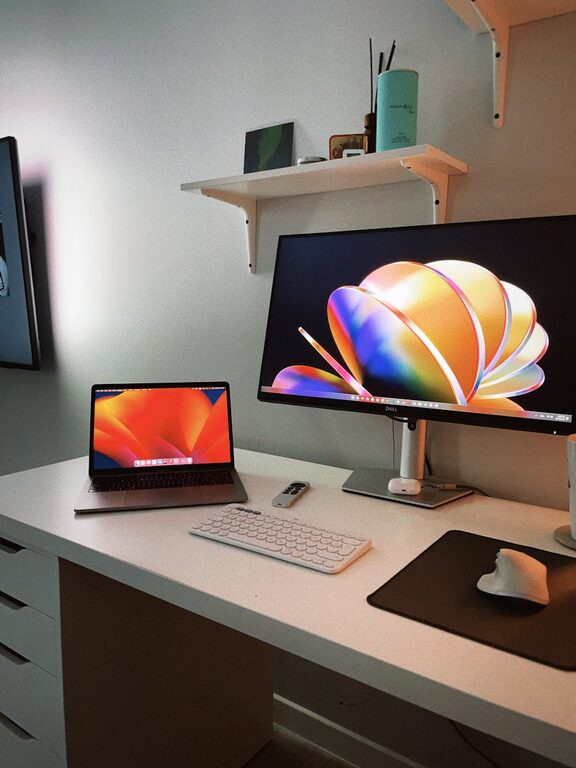
Invest in a good-quality computer, monitor, keyboard, and mouse that suit your work needs. This reduces frustration and physical strain.
Manage Cables and Chargers
Use cable organizers or clips to keep cords tidy and prevent tangling. This reduces clutter and potential accidents.
Develop a Routine and Keep It Inviting
Start Your Day with a Setup Ritual
Taking a few minutes to set up your workspace at the start of each day can help signal your brain that work time has begun.
Schedule Breaks and Movement
Set reminders to stand, stretch, or take short walks. This helps prevent discomfort and keeps your energy levels balanced.
—
Creating a cozy and productive home workspace is an ongoing process. Tailor these tips to your preferences and needs, and don’t hesitate to update your space as you discover what works best. A well-designed workspace turns your home into a comfortable, inspiring place where productivity flows naturally.